
Background
Cal Poly Partners’ strategic plan serves as a roadmap and will guide the organization for the next three years 2026-29. This plan positions Cal Poly Partners to provide best in class campus experiences and solutions, supporting the university and advancing its mission.
Strategic Direction No. 1
Campus Experience
Deliver seamless, high-value experiences and Learn by Doing opportunities for students as the university grows.

Goal No. 1
As campus grows, build spaces and develop services that strengthen student engagement, connection and belonging.
| Objective(s) | Measures of Success |
|---|---|
| Develop additional dining spaces, offer new amenities, events and third spaces. | Open two to four new or enhanced dining and student gathering spaces by 2029. Increase utilization of dining and third spaces by 25%. Host at least 30 annual events and activations across commercial service spaces. |
| Provide student career paths and Learn by Doing opportunities in core operations, centers, institutes and colleges. | Develop student manager program. Develop internships and co-ops serving 1,000 students per semester. |

Goal No. 2
Deliver faculty and staff housing at scale.
| Objective(s) | Measures of Success |
|---|---|
| Create innovative programs and partnerships. | Faculty and staff achieve housing cost savings compared with market alternatives. Implement new housing financing or partnership models. Housing assistance programs remain financially self-sustaining. |
| Build or buy units to support faculty and staff housing demand. | Add at least 100 housing units to meet faculty and staff recruitment and retention goals. Establish a housing entitlement program to meet long-term faculty and staff recruitment and retention goals. |

Goal No. 3
Deepen strategic partnerships with campus and industry that enhance the student experience and support university priorities.
| Objective(s) | Measures of Success |
|---|---|
| Align objectives with key campus partners to advance the university mission. | Meet with student leaders (Cal Poly Partners Board, Associated Students, Inc. (ASI)). Meet with university partners (ASI, Research, College of Agriculture, Food and Environmental Sciences (CAFES), Housing, Strategic Enrollment Management and Student Affairs (SEMSA)) four times annually. |
| Develop industry connections that co-fund capital projects for student high-impact practices. | Secure three to five industry partnerships supporting student-focused initiatives. Generate external funding for at least two student impact or capital projects. Establish an annual industry partnership pipeline and engagement strategy. |
Goal No. 4
Create a seamless digital campus commerce experience that improves convenience, engagement and operational effectiveness.
| Objective(s) | Measures of Success |
|---|---|
| Deploy an integrated campus commerce platform that uses AI, data and modern digital technologies. | Launch the minimum viable product (MVP) in 2027. Launch the fully built-out app in 2029. Establish a grocery partnership integrated into the Marketplace platform. Achieve 60% active student adoption within two years. Increase digital transactions and mobile ordering annually. |
Strategic Direction No. 2
Financial Strength
Build a sustainable, disciplined financial model that can invest in the future.

Goal No. 1
Expand and diversify how we generate revenue.
| Objective(s) | Measures of Success |
|---|---|
| Expand commercial activity and align operations with the university’s transition to year-round operations. | Develop and implement a year-round Commercial Services operating model. Expand commercial offerings that support student, faculty and visitor needs throughout the calendar year. Maintain or increase net revenue during the transition to year-round operations. |
| Maximize utilization of real estate assets and campus spaces to increase value and support university growth. | Increase utilization rates of commercial and event spaces. Increase revenue generated from campus assets. Expand campus and external events using Partners-managed spaces. |
| Increase participation in core programs by enhancing value, convenience and engagement. | Require dining plans for residential units without kitchens. Adopt residential meal plans. Increase overall meal plan participation annually. Improve meal plan retention year over year. |
| Align pricing with market and value. | Define Human Resources scope of work. Develop a service pricing model using external market and internal AOA benchmarks. Complete pricing reviews biennially and implement resulting changes within one fiscal year. Customers report satisfaction with value received. |
| Reduce reliance on any single revenue source. | Increase net returns from Real Estate and Commercial Services. Sustain net assessments in Business Services. |
Goal No. 2
Strengthen Business Services to support campus growth.
| Objective(s) | Measures of Success |
|---|---|
| Scale Business Services (Human Resources, Accounting, Finance, Risk, Marketing and Systems) to keep pace with university growth. | Business Services teams are properly resourced. Business systems and processes are positioned to support campus growth. Transaction volumes grow without proportional increases in staffing. |
| Formalize agreements and clarify service expectations with campus units and colleges. | Create service catalogs for Human Resources; Business and Finance; and Marketing and Communications. Create annual service reports. Establish service-level memorandums of understanding (MOUs) for all major Business Services customers. |
| Implement full cost-recovery model to ensure long-term sustainability. | Implement business services pricing model under MOUs. |
Goal No. 3
Prioritize opportunities and ensure each initiative is resourced to succeed.
| Objective(s) | Measures of Success |
|---|---|
| Establish financial plan and key priorities with the board annually. | Hold an annual strategic meeting with the Board Executive Committee to review the annual and long-term financial plan. Establish performance measures for all core services. Set annual budgets at the June board meeting. |
| Ensure sustainable funding source before taking on new commitments. | Establish models for all projects and programs reviewed by the Cal Poly Partners Executive Team and approved by the board. |
| Proactively manage operational and financial risk to control costs and protect long-term sustainability. | Complete and update the enterprise risk and controls assessment annually. No significant audit findings or compliance deficiencies. Debt service coverage and reserve targets remain within board-approved thresholds. |
Strategic Direction No. 3
Effective Teams
Operate with clear priorities, strong engagement and shared accountability as one organization.
Goal No. 1
Continue to transform how we work using AI and technology.
| Objective(s) | Measures of Success |
|---|---|
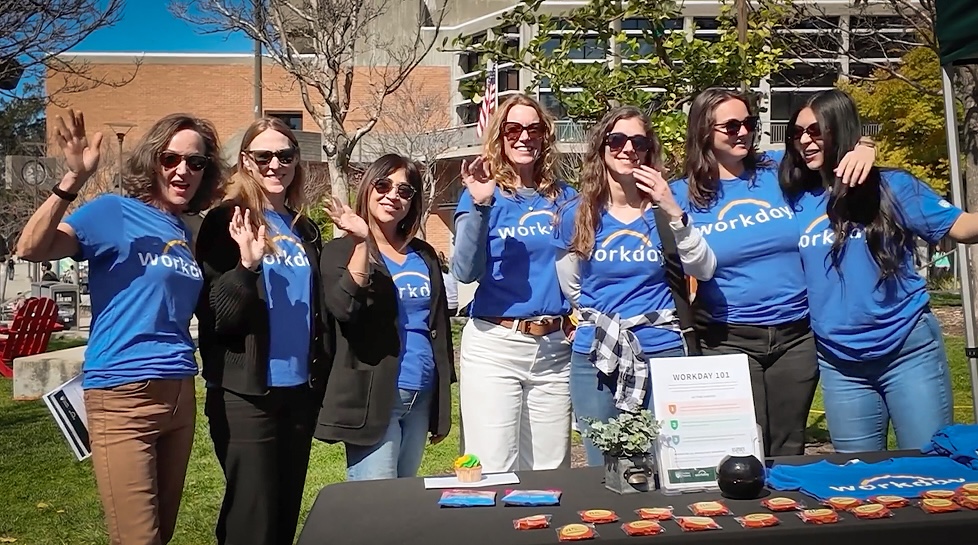
| Leverage Workday by expanding its capabilities and strengthening customer-focused services that support growth. | Stabilize Workday. Implement a Workday support organization. Establish Workday governance. Positive Workday feedback on processes, training and communication. |
| Automate tasks such as travel, expense processing and contract review, freeing our teams to focus on higher-impact work. | Automated workflows implemented for travel, expense and contract management. Employee time redirected from transactional work to higher-value analysis and customer service activities. |
Goal No. 2
Align teams around clear priorities and a shared plan.
| Objective(s) | Measures of Success |
|---|---|
| Provide a clear, transparent view of Cal Poly Partners’ priorities and how they connect to university goals. | Hold a town hall for all Cal Poly Partners employees. Share a board meeting recap in Partners Post. Share priorities in department meetings each semester. |
| Build connections between our work, individual contributions and shared outcomes. | Annual goals are established in Workday and aligned to department and organizational priorities. Performance evaluations include discussion of employee contributions to organizational goals and outcomes. Employee impact stories are regularly shared through Partners Post. Managers receive resources and tools to connect team priorities to organizational goals. |
Goal No. 3
Build career paths and align compensation with the market.
| Objective(s) | Measures of Success |
|---|---|
| Align compensation with the market to retain and strengthen our team. | Establish a substantially similar position review process and incorporate into the biennial market compensation review. |
| Create clear career paths and succession plans. | Succession plans are in place with talent development plans outlined for successors. Implement career ladders for core functions. Create career paths that recognize and reward student employees for their contributions and growth in Research. |
| Recognize and reward performance. | One-time compensation, promotion and compensation adjustment requests are used effectively to reward and recognize employees for accomplishments and changes in scope of work. |
Goal No. 4
Engage and connect through purpose and transparent communication.
| Objective(s) | Measures of Success |
|---|---|
| Strengthen culture by communicating our purpose openly. | Publish Partners Post monthly. Launch an integrated marketing communications campaign. Develop annual report. Develop an internal culture campaign. Host annual March Fourth event. Create Cal Poly Partners roadshow. Publish Cal Poly Partners Explained booklet. |
| Foster connection across teams and locations. | Coordinate annual events. Cal Poly Partners’ announcements. Surprise and Delight quarterly. Reengage Culture Champions. |
| Create feedback loops so our teams feel informed, connected and proud of the impact we deliver. | Meet with Cal Poly Partners department teams each semester. Promote the feedback link on the Cal Poly Partners intranet. |